
10 Mistakes Homeowners Make Before Remodeling Their Kitchen
10 Mistakes Homeowners Make Before Remodeling Their Kitchen
A Designer’s Guide to Creating a Beautiful, Functional, and Timeless Kitchen
By Ammie Kim Interior Design
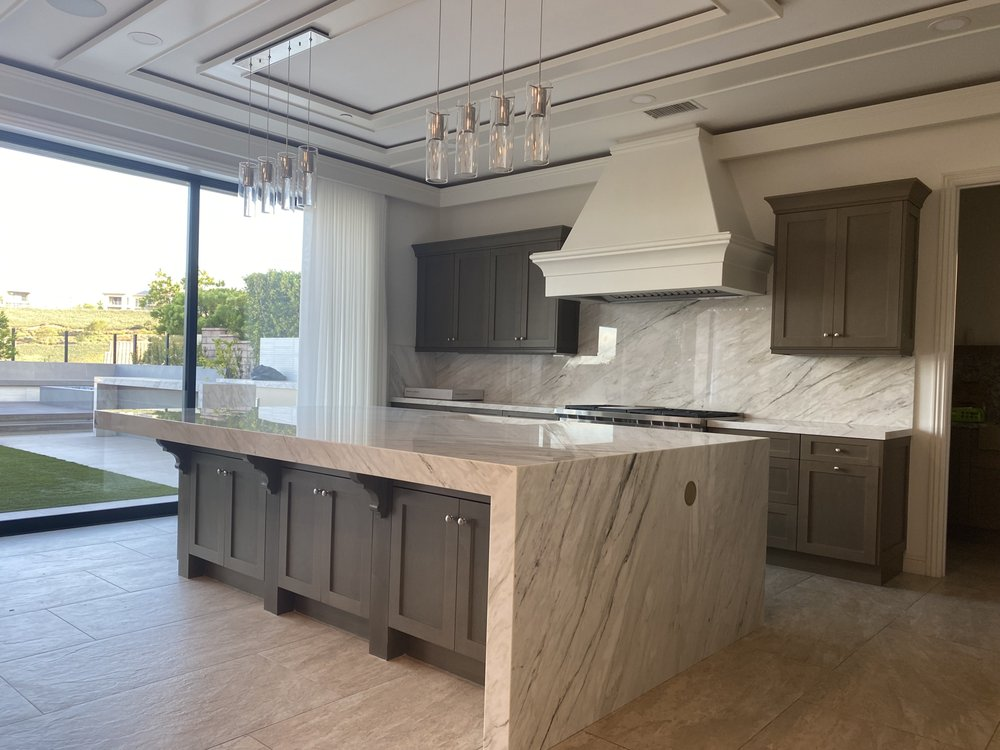
Introduction
A kitchen remodel is one of the biggest investments homeowners make. A well-designed kitchen can improve your daily life, increase the value of your home, and become the heart of your family’s activities.
However, many homeowners begin remodeling with excitement but without a complete plan. Small decisions made too early—or important details overlooked—can lead to costly mistakes, delays, and disappointment.
After years of working with homeowners on luxury residential renovations, I have seen the same mistakes happen repeatedly.
This guide will help you avoid the most common kitchen remodeling mistakes and create a space that is beautiful, functional, and timeless.
It is tempting to choose the newest design trend, but kitchens are expensive to replace.
A style that looks exciting today may feel outdated in five years.
Examples of timeless choices:
Classic cabinet colors
Natural stone or quality quartz countertops
Proper proportions
Good lighting
Functional layouts
Designer Tip:
Use trends in areas that are easy and affordable to change:
Decorative accessories
Paint colors
Bar stools
Artwork
Invest in timeless elements for permanent features.
Mistake #3: Focusing Only on Appearance and Ignoring Function
A beautiful kitchen that is difficult to use will become frustrating.
Good kitchen design considers the "work triangle":
Refrigerator
Sink
Cooking area
The placement of these areas affects how efficiently you prepare meals.
Consider:
Where groceries enter the kitchen
Where dishes are stored
How many people cook at the same time
Where small appliances are placed
Designer Tip:
The best kitchens are not only beautiful—they make everyday life easier.
Mistake #4: Choosing Materials Without Understanding Quality
Not all materials perform the same way.
A countertop, cabinet finish, or flooring material should be selected based on:
Durability
Maintenance
Lifestyle
Budget
Long-term appearance
For example, a material that looks beautiful in a showroom may not be the best choice for a busy family kitchen.
Designer Tip:
Always ask:
"Will I still love and enjoy this material 10 years from now?"
Mistake #5: Underestimating Storage Needs
Many homeowners focus on cabinets looking beautiful but forget about how much storage they actually need.
A well-designed kitchen considers:
Pots and pans
Small appliances
Pantry items
Recycling and trash
Serving pieces
Everyday dishes
Designer Tip:
Smart storage solutions include:
Pull-out drawers
Appliance garages
Deep drawers
Pantry systems
Custom organizers
Good storage creates a cleaner, more luxurious kitchen.
Mistake #6: Poor Lighting Design
Lighting is often treated as an afterthought, but it dramatically affects how a kitchen looks and functions.
A successful kitchen includes layers of lighting:
Ambient Lighting
General illumination for the entire room.
Task Lighting
Lighting for:
Countertops
Cooking areas
Food preparation
Accent Lighting
Lighting that highlights:
Cabinet details
Artwork
Architectural features
Designer Tip:
A beautiful kitchen without proper lighting will never reach its full potential.
Mistake #7: Choosing Appliances Too Late
Appliances affect cabinet dimensions, electrical requirements, and the overall layout.
Decisions should be made early:
Refrigerator size
Range or cooktop
Hood design
Dishwasher location
Microwave placement
Designer Tip:
Select appliances before finalizing cabinet drawings.
Mistake #8: Ignoring the Importance of Scale and Proportion
A kitchen can have beautiful materials but still feel wrong if the proportions are incorrect.
Examples:
Oversized island in a small kitchen
Small pendant lights over a large island
Incorrect cabinet heights
Insufficient walkway clearance
Designer Tip:
Great design is not just about selecting beautiful products—it is about creating harmony between all elements.
Mistake #9: Not Creating a Realistic Budget
Many homeowners create a budget based only on visible items:
Cabinets
Countertops
Appliances
But remodeling also includes:
Labor
Permits
Electrical upgrades
Plumbing changes
Flooring repairs
Unexpected conditions
Designer Tip:
Always include a contingency budget for unexpected issues.
A realistic budget creates a smoother remodeling experience.
Mistake #10: Trying to Make Every Decision Alone
A kitchen remodel involves hundreds of decisions.
Without professional guidance, homeowners can become overwhelmed or make choices that do not work together.
A designer helps coordinate:
Function
Style
Materials
Budget
Construction details
Designer Tip:
Professional design is not just about making a kitchen look beautiful—it is about avoiding expensive mistakes and creating a space that works perfectly for your lifestyle.
Final Thoughts
A successful kitchen remodel is not created by choosing the most expensive materials or following every trend.
It is created through:
Careful planning
Thoughtful design
Quality selections
Proper execution
Your kitchen should reflect your lifestyle and remain beautiful for many years.
Before you begin your remodel, take the time to create a complete vision. The decisions you make before construction begins will determine the success of your entire project.
About the Designer
Ammie Kim Interior Design specializes in creating timeless residential and commercial interiors with thoughtful planning, refined material selections, and functional design solutions.
With over 20 years of experience in interior design, Ammie helps homeowners transform their spaces into beautiful, comfortable, and highly functional environments.